South Florida
The Week Before the Bris: How Rabbi Yossi Prepares With You
By Rabbi Yossi Srugo | Miami Mohel | miamimohel.com
August 28, 2026
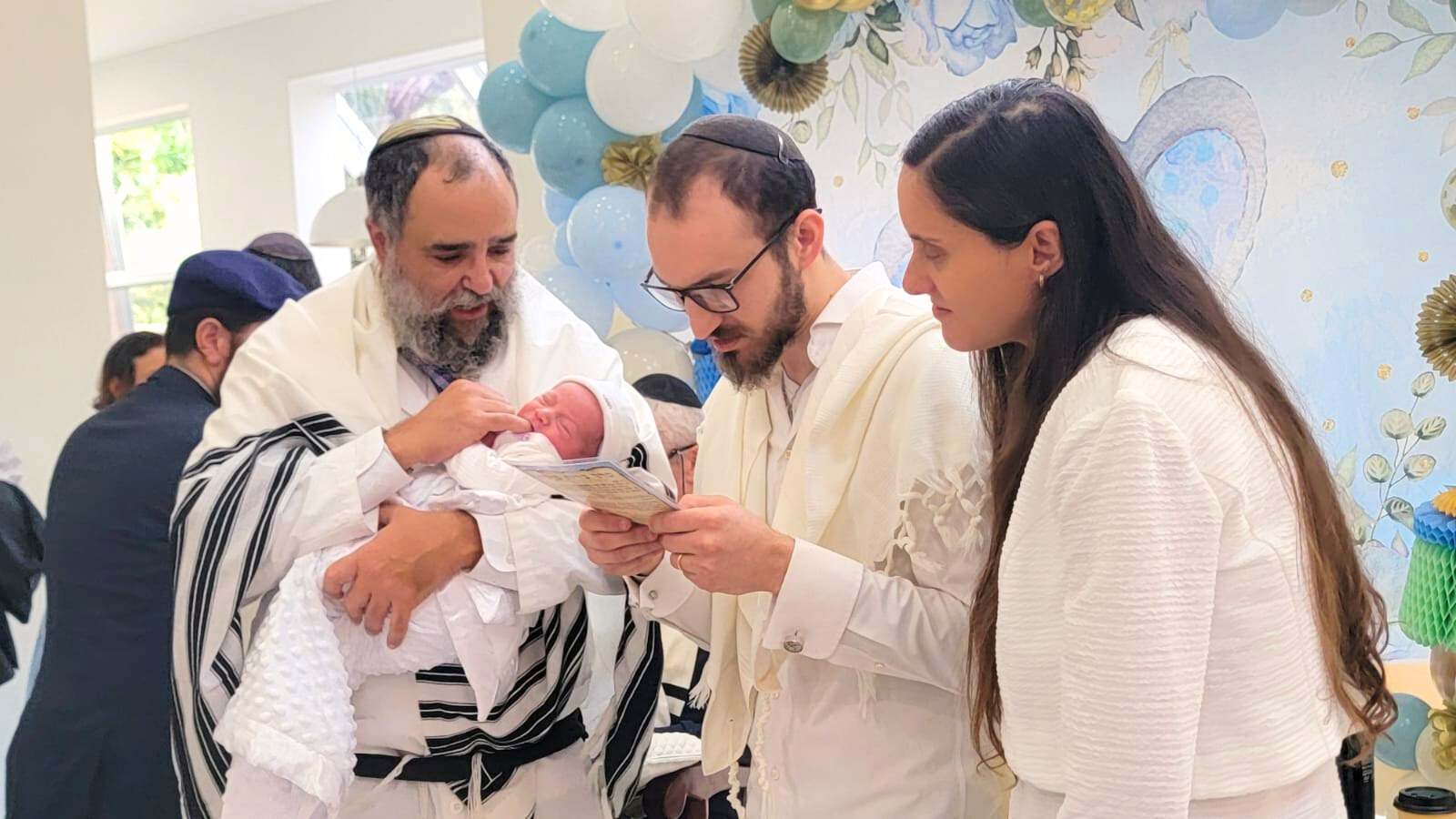
Most mohels show up on the day of the bris.
They arrive, perform the ceremony, and leave.
The family is expected to know what to expect, to have everything ready, to feel prepared — somehow — on their own.
That is not how Rabbi Yossi Srugo works.
The Brit Milah Experience begins long before the eighth day. It begins the moment you reach out — and it builds, carefully and intentionally, through every day of the week that leads up to your son's bris.
Here is what that week actually looks like.
The First Conversation
From the moment a family contacts Rabbi Yossi — whether their baby has just arrived or they are still expecting — the preparation begins.
That first conversation is never rushed.
Rabbi Yossi listens. He asks about the birth, about the family, about any health considerations the baby might have. He looks at the calendar with you, confirms the eighth day, and starts building the picture of what your bris will look like.
No forms. No automated scheduling.
A real conversation, in Hebrew, English, or Spanish — whichever feels most natural to you.
Monitoring Your Baby's Health
In the days after birth, newborns are closely watched for a range of conditions — elevated bilirubin, jaundice, low birth weight, and others — that can affect the timing of the bris.
Rabbi Yossi stays in active contact with families during this window.
If your baby's pediatrician has flagged something, or if you have results from a follow-up visit, he wants to know. He will help you understand what it means for the timing of the bris and, if a postponement becomes necessary, he will guide you through that decision with clarity and care.
The goal is never to rush. The goal is for your son to be healthy and ready — and for you to feel completely confident in the timing.
Walking You Through the Ceremony
One of the most common things parents say after a bris is: "I wish someone had told me what to expect." Rabbi Yossi makes sure that never happens.
In the days before the bris, he walks both parents through the full ceremony — step by step, in as much detail as you want.
The order of the blessings. The moment the baby is brought in. What the mohel does and when. What you will hear, what you will see, and what you will feel.
For parents experiencing their first bris, this walkthrough is everything. It transforms the unknown into something familiar — something you can stand inside of with your eyes open, present and grounded, rather than braced for what comes next.
The Family Honors
The Brit Milah is not just a procedure — it is a ceremony, and like every Jewish ceremony, it carries with it a set of meaningful honors to be given to family and loved ones.
The Kvatter and Kvatterin — the couple who carry the baby in. The Sandak — the one who holds the baby during the bris, one of the greatest honors in Jewish life. The person who holds the baby on Elijah's Chair. The family members called up for the blessings.
Rabbi Yossi helps you think through these honors in advance. Who should receive them. What each role means. How to communicate them to your family gracefully.
This conversation — which most families never have with their mohel — turns a logistical detail into a moment of real intention.
Preparing You Emotionally
There is something Rabbi Yossi has learned over 19 years and more than 6,000 brisses that no certification teaches you: The parents need as much preparation as the baby does.
The week before the bris, he talks with families not just about logistics, but about what they are about to experience.
The weight of the moment. The mix of nerves and joy. The feeling of watching your son enter the covenant — and what it means to be the parents standing there when it happens.
He has watched thousands of families walk through that moment. He knows what it looks like when a parent is prepared, and he knows what it looks like when they are not.
That difference — between standing in the bris with presence versus holding your breath until it's over — is something he works toward in every conversation that leads up to the day.
The Day Before
The evening before the bris, Rabbi Yossi checks in. A message, a call — whatever the family prefers.
He confirms the time, confirms the location, answers any last questions that have come up.
He reviews any health updates on the baby.
By the time you go to sleep the night before your son's bris, there should be nothing left unknown.
That is the standard.
And it is met, every time.
The Day Itself
Rabbi Yossi arrives early — with the Brit pillow, tallit, kosher wine, and all sterile medical supplies fully prepared.
Nothing is left for the family to source or arrange.
Before the ceremony begins, he takes a moment with the parents. Not to review logistics. To be present with them. To mark what is about to happen.
And then the bris takes place — with halachic precision, medical care, and the warmth that only comes from nearly two decades of experience.
After the Bris: The Support Continues
When the ceremony ends, Rabbi Yossi does not leave.
He holds your son. He soothes him. He stays until the baby is calm and both parents feel steady.
He provides clear, written aftercare instructions before he goes.
And for the next 10 to 15 days, he remains available — 24 hours a day, 7 days a week.
Photos of the healing sent via WhatsApp.
Questions answered at any hour.
Reassurance whenever it's needed.
The week before the bris is where The Brit Milah Experience begins.
The two weeks after is where it ends.
That is the full picture of what Rabbi Yossi offers — and why families across South Florida trust him with their son's most sacred moment.
Ready to Start That First Conversation?
Whether your baby has just arrived or your due date is still weeks away, the best time to reach out is now.
The earlier the conversation begins, the more prepared your entire family will be.
📞 (305) 318-1880
💬 WhatsApp: wa.me/13053181880
🌐 miamimohel.com
Rabbi Yossi Srugo is a Board Certified and Rabanut Certified Mohel serving Jewish families across Miami-Dade, Broward, and Palm Beach County. He performs Brit Milah in Ashkenazic and Sephardic traditions, in Hebrew, English, and Spanish.